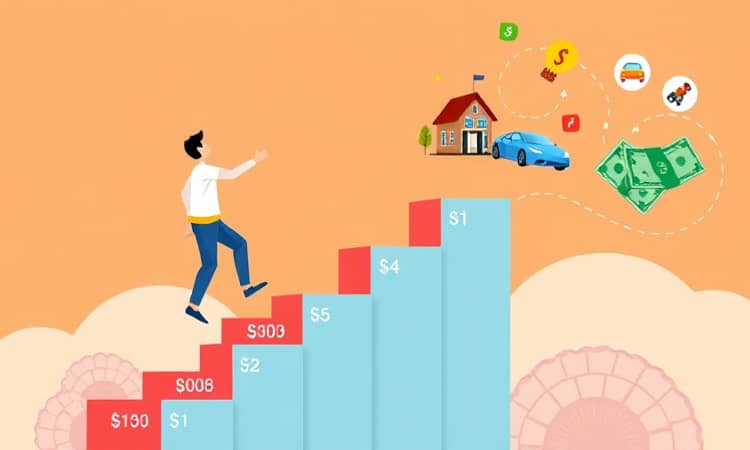
In today’s financial landscape, understanding how credit scores impact your borrowing power is essential. From mortgages to personal loans, your score can unlock or restrict pathways to your goals. This article offers an in-depth exploration of the factors that drive your credit score, how it influences loan eligibility, and actionable steps to improve it. By the end, you’ll be equipped with both knowledge and practical tips to fast-track your loan approval process and foster long-term financial health and stability.
Understanding Credit Scores
A credit score is a numerical representation of creditworthiness derived from your credit history. Scores typically range between 300 and 850 in the United States, with higher values signaling lower risk to lenders. These three-digit numbers are used to predict the likelihood of on-time repayment and form the backbone of most lending decisions.
Two dominant models prevail in the U.S.: the FICO® Score and VantageScore. While both evaluate similar data, their weighting systems differ slightly. FICO, the industry standard, and VantageScore, a popular alternative, each receive data from major credit bureaus—Equifax, Experian, and TransUnion—and calculate your rating based on recent reporting.
Score Ranges and Classifications
Loan terms and interest rates often hinge on your score’s placement within key tiers. The following table outlines FICO classifications:
International models, such as Australia’s, may feature higher maximums (up to 1,200), but the principles remain consistent: higher scores equal better terms.
Key Factors Influencing Your Score
Your credit score derives from a combination of five primary categories. Understanding their relative importance helps you prioritize actions that yield the greatest benefit.
- Payment history (35%): Timely payments on credit cards, loans, and mortgages. Delinquencies can have lasting negative effects.
- Credit utilization (30%): Ratio of current balances to total available credit. Aim to keep your credit utilization low (under 30%).
- Length of credit history (15%): Average age of your accounts; older histories foster trust in borrowers.
- Credit mix (10%): Blend of installment loans, credit cards, and other debt types; helps lenders gauge adaptability.
- New credit and inquiries (10%): Recent account openings and hard pulls; frequent requests can signal risk.
Loan Eligibility Thresholds by Loan Type
Different loan products impose distinct minimum score requirements. While ranges vary by lender, these benchmarks serve as general guidelines:
- Personal Loans: Minimum 580–660 FICO; rates improve significantly at 700+.
- Mortgages: Conventional loans often require 620+; best rates for 740+ or 760+; FHA/VA programs may accept lower scores with additional stipulations.
- Auto Loans: Similar to personal loans; prime borrowers secure the lowest APRs.
- Student Loans: Federal loans ignore credit scores; private lenders follow personal loan criteria.
Matching your score to the right product can both increase approval odds and help you secure lower interest rates and favorable terms.
Beyond the Score: Other Eligibility Criteria
While your credit score is a cornerstone, lenders evaluate additional dimensions to gauge your repayment capacity:
Income and employment history: A steady, verifiable income stream reassures lenders of your ability to cover debt obligations consistently.
Debt-to-income ratio (DTI): The percentage of monthly income dedicated to existing debt. Lenders typically look for DTI below 36%, although some programs allow higher ratios under specific conditions.
Collateral: Secured loans such as auto and home mortgages use pledged assets to offset risk, sometimes enabling approval for lower scores.
The Rewards of Strong Credit
High-scoring borrowers benefit in multiple ways. Beyond straightforward approval, you can access:
- Lower interest rates that translate into substantial savings over the life of a loan.
- Higher borrowing limits and more flexible repayment terms.
- Faster underwriting and minimal documentation requirements that help fast-track your loan approval process.
- Access to premium financial products like rewards credit cards and exclusive refinancing options.
Consequences of Poor Credit or Limited History
Scores below 580 land borrowers in the subprime category. These applicants often face:
- Higher interest rates and fees, sometimes double-digit, which increase overall loan cost.
- Requirements for cosigners or significant down payments to secure approval.
- Limited product availability, with fewer lenders willing to extend credit without additional guarantees.
Some specialized lenders use holistic underwriting—balancing factors like employment stability and DTI—to extend credit, but fees may remain elevated.
Strategies to Improve Your Credit Score
Improving credit takes time and discipline, but targeted efforts can produce measurable gains:
- Make all payments on time, every month.
- Reduce balances to keep your credit utilization low.
- Avoid opening multiple new accounts in a short period.
- Diversify your credit account types with a mix of revolving and installment debt.
- Regularly review credit reports and dispute errors promptly.
Maintaining older accounts open, even if seldom used, can help lengthen your credit history and yield incremental score improvements over time.
Why Scores Differ Among Lenders
Variations arise because lenders may pull scores from different bureaus and scoring models. Equifax, Experian, and TransUnion report on slightly different data, and FICO and VantageScore apply unique algorithms, so your score can vary by 20 to 50 points depending on the source.
Recent Trends and Looking Ahead
Economic conditions heavily influence lender policies. Periods of volatility often prompt tighter standards, while stability can lead to relaxed requirements. Regulatory bodies like the Consumer Financial Protection Bureau (CFPB) continue to refine guidance for fair underwriting.
Emerging technologies, such as AI in credit decisioning, are integrating nontraditional data points—though credit scores remain the primary metric for most lending products as of 2025.
By mastering the components of your credit score and navigating eligibility criteria, you can position yourself to secure the best possible loan terms. With long-term financial health and stability within reach, informed decisions today will pay dividends tomorrow.