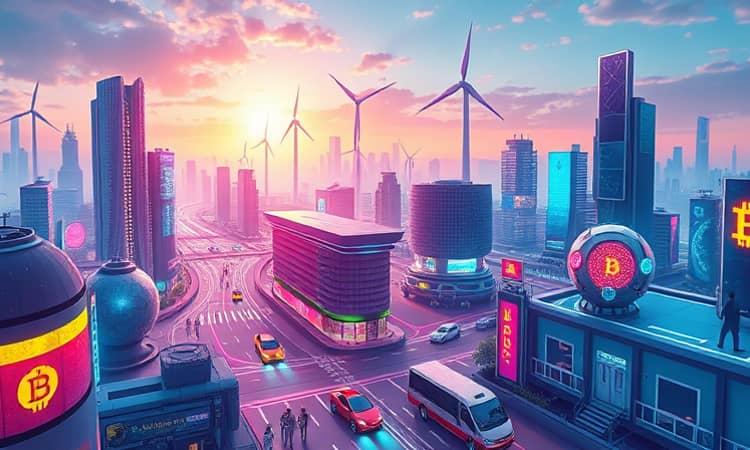
Across industries and societies, a wave of innovation is reshaping how we live, work, and grow. From artificial intelligence to renewable energy, these breakthroughs unlock new horizons.
The Evolution of Disruptive Innovation
History is rich with examples of technologies that upended the status quo. The steam engine launched the Industrial Revolution, the microchip paved the way for modern computing, and the Internet connected billions.
Clayton Christensen’s concept of innovations that fundamentally alter markets captures how inventions can displace incumbents and spark fresh sectors. By serving overlooked needs or creating entirely new user experiences, disruptive technologies rewrite the rules.
Economic Impacts and Projections
By 2030, AI alone is projected to contribute $15.7 trillion to global GDP, split between $6.6 trillion in productivity gains and $9.1 trillion in increased consumption. China could see a 26% GDP boost, while North America may realize a 14.5% uplift.
Major sectors stand to transform dramatically:
- Healthcare: AI diagnostics and personalized medicine could save $150 billion per year in the US.
- Manufacturing: Smart factories powered by IoT and AI may add $1.5–2.2 trillion annually in value.
- Finance: Automation and fraud detection could save banks $447 billion by 2030.
- Cybersecurity: Advanced threats might cost $10 trillion per year without robust defenses.
Cloud computing further contributes an estimated $1.2–5.5 trillion in surplus value by 2025, boosting IT productivity by 20–30%.
Investment and the Innovation Ecosystem
Global investment in AI is expected to hit $1.5 trillion by 2030, driven by breakthroughs in generative models and autonomous systems. Meanwhile, the 3D printing market, growing at 23.4% annually, could reach $101.74 billion by 2032.
Patents and grants reflect this surge: over 2,100 blockchain grants and more than 119,000 3D printing patent filings underscore a vibrant R&D landscape. Venture capital, corporate R&D budgets, and government funding are converging to fuel next-generation innovations.
Workforce Transformation and Societal Challenges
By 2030, up to 50% of the global workforce will require reskilling as AI and automation reshape roles. An estimated 40% of jobs worldwide face significant change, especially in advanced economies.
To thrive, individuals and organizations must embrace lifelong learning and flexible career paths. Companies can partner with educational institutions to deliver customized training and certification, while governments may incentivize apprenticeship programs and micro-credentials.
- Develop cross-functional skill sets in data literacy and digital tools.
- Promote rotational programs that bridge technical and managerial expertise.
- Leverage online platforms for just-in-time upskilling and peer learning.
Regulatory and Policy Considerations
Balancing innovation with public safety and equity is paramount. Harmonizing AI and digital regulations across borders helps build trust and reduces fragmentation.
Policymakers can foster growth by providing tax incentives for R&D, setting clear data governance standards, and investing in public-private partnerships. Such measures encourage collaboration between public and private sectors to ensure technologies serve societal needs.
Future Directions for Inclusive Growth
As disruptive technologies accelerate, stakeholders must work together to harness benefits and mitigate risks. This requires a holistic approach that spans education, policy, investment, and ethical frameworks.
Key actions include:
- Creating innovation hubs that connect startups, corporates, and academia.
- Ensuring equitable access to digital infrastructure and cloud services.
- Embedding ethical AI guidelines into product development cycles.
By aligning efforts across sectors and geographies, we can unlock the full potential of breakthroughs such as AI, IoT, blockchain, and renewables. The result will be more resilient economies and empowered societies ready to seize the opportunities of the digital age.
Disruptive technologies are not just catalysts for change; they are engines of hope, offering pathways to sustainable growth, inclusive prosperity, and a brighter future for all.