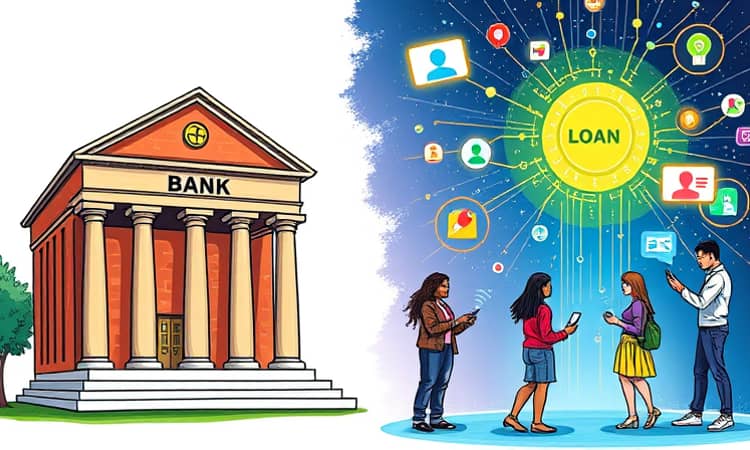
At the turn of the millennium, securing a loan meant trips to the branch, piles of paperwork, and waiting days for an answer. Fast forward to today, and borrowers can receive funds in minutes, all from the palm of their hand. This transformation from paper-based processes to seamless digital experiences illustrates the remarkable journey of the lending industry.
In this article, we trace the key milestones, innovations, benefits, and challenges that have shaped the online loan ecosystem. We reveal how technology has fueled a revolution, making credit more accessible, personalized, and efficient than ever before.
Historical Milestones: From Paper to P2P
The late 1990s saw banks exploring the internet for basic account management, but lending remained firmly rooted in paper. By 2005, pioneers like Zopa ushered in a new era with peer-to-peer lending, enabling individuals to borrow and lend directly online.
Smartphones in the late 2000s accelerated the shift, giving rise to mobile lending apps. These early platforms laid the groundwork for the highly automated, AI-driven systems we use today.
Key Drivers of Transformation
The meteoric rise of digital lending has been powered by several core drivers that together form a potent force reshaping financial services.
- Drastically reduced paperwork and manual processes through automation and e-signatures
- Broadened access to credit for underserved communities via mobile and web apps
- Tailored loan offers using AI-driven insights and predictive analytics
- Regulatory reforms ensuring consumer protection and market stability
Innovations Shaping the Landscape
Fintech disruptors have introduced groundbreaking models and tools, each pushing the boundaries of what is possible in lending.
- Peer-to-peer and marketplace lending platforms that disintermediate traditional banks
- Alternative credit scoring using non-traditional data like mobile usage and digital footprints
- Buy-Now-Pay-Later and microloan products that cater to small-ticket, high-frequency needs
Challenges and Consumer Trust
Despite its advantages, digital lending faces significant hurdles, especially around security and regulation.
- Data security and privacy concerns demand robust encryption and transparent consent models
- Evolving regulatory frameworks must balance innovation with consumer protection
Maintaining trust requires continuous investment in cyber defenses, proactive compliance, and clear communication about how personal data is used and safeguarded.
Global Trends and Future Outlook
As digital lending matures, regional adoption patterns reveal both common themes and unique local dynamics. Europe, led by Germany, France, and the UK, has witnessed explosive growth in online loan volumes. In developing markets across Africa and Asia, mobile-first models are driving unprecedented financial inclusion.
The next frontier promises even deeper transformation:
- Full lifecycle automation from onboarding to servicing via advanced AI
- Hyper-personalized credit products delivered in real time based on dynamic data
- Decentralized finance (DeFi) innovations leveraging blockchain for peer-to-peer lending without intermediaries
With these developments on the horizon, borrowers can look forward to loan experiences that are faster, fairer, and more flexible than ever before.
Conclusion
The journey from bricks to clicks reflects a broader narrative of progress and adaptation. From the era of ledger books and in-person interviews to the age of instant approvals and digital wallets, each technological leap has brought new opportunities and challenges.
As we move forward, the fusion of human-centric design and cutting-edge algorithms will continue to redefine lending. By embracing innovation responsibly and prioritizing trust, the industry can ensure that the promise of digital loans—speed, inclusion, and empowerment—becomes a reality for all.