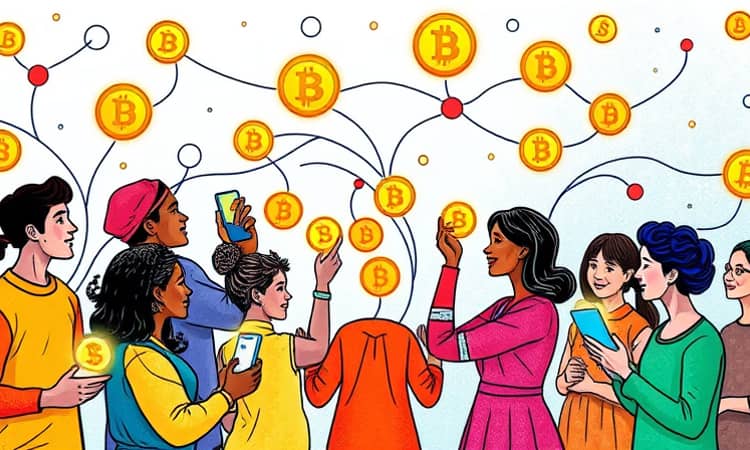
In an era dominated by financial giants and complex banking systems, peer-to-peer lending has emerged as a revolutionary model that returns control to individuals. No longer confined by the rigid structures and lengthy procedures of traditional banks, borrowers and lenders now connect directly through digital platforms designed for speed and transparency. This dynamic shift champions innovation, democratizing finance for everyday users who seek alternatives to conventional lending pathways.
At its core, this model fosters a sense of community and shared purpose. It elevates the financial agency of participants, allowing borrowers to pursue dreams and projects without bureaucratic hurdles, while lenders gain access to higher potential returns for investors that were once reserved for institutional players. As the world grows increasingly interconnected, peer-to-peer lending stands as a testament to the power of collective aspiration.
The Rise of Democratized Finance
Peer-to-peer lending platforms leverage cutting-edge technology to bridge funding gaps and streamline transactions. With online portals supporting seamless user experiences, an applicant’s financial profile instantly interfaces with an investor’s preferences. This synergy enables algorithmic risk assessment tools to evaluate creditworthiness in real time, reducing manual overhead and bias while expediting decisions that would otherwise take weeks.
Moreover, these platforms champion inclusivity. By offering expanded credit access to underserved markets, they break down historical barriers that marginalized groups face when seeking capital. Innovative scoring models analyze alternative data points such as utility payments, educational background, and social indicators, casting a wider net in identifying creditworthy individuals and entrepreneurs.
Market Dynamics and Demographics
- Individual investors contribute over 51.8% of global P2P revenue, reflecting widespread retail participation.
- First-time borrowers make up 50% of new applicants in emerging regions, highlighting financial inclusion gains.
- Retirees seeking steady income represent 15% of lenders, drawn by attractive annual yields of 6–8%.
- Young entrepreneurs under 35 account for 30% of loans in technology and e-commerce sectors, fueling innovation.
These trends underscore the versatility of peer-to-peer lending as a tool for empowering both capital providers and seekers. From small business owners launching their first venture to established professionals refinancing debt, the platform ecosystem supports a broad spectrum of financial needs and ambitions.
How Peer-to-Peer Lending Works
Participants begin by creating profiles on a P2P platform, where borrowers submit loan requests along with financial details, employment history, and credit reports. Each application undergoes an automated assessment process that assigns a risk grade, guiding potential investors in their decision-making. Investors can then browse listings, filtering opportunities by interest rate, term length, and borrower profile.
Funding occurs either through direct matches—where a single lender covers the full loan—or via pooled investments, where multiple parties contribute smaller amounts. Platforms handle all administrative tasks, from disbursing funds to managing repayment schedules, ensuring a rapid, automated underwriting processes that outpace conventional banking timelines.
As borrowers make scheduled payments, principal and interest distribute proportionally to lenders, providing a steady stream of returns. Should a borrower default, the platform’s collection mechanisms, sometimes including legal action or third-party agencies, strive to recoup funds. Investors monitor performance through dashboards with real-time updates on payment status, portfolio diversification, and risk metrics.
Fees are typically charged on either origination or servicing, and these costs are often lower than those imposed by traditional banks. This lean cost structure translates into potentially lower interest rates for borrowers and improved net yields for lenders, aligning incentives for all parties involved.
Advantages That Energize Change
- expanded credit access to underserved markets for individuals and small enterprises lacking traditional collateral.
- rapid, automated underwriting processes that reduce approval times from weeks to days or hours.
- potentially lower interest rates for borrowers enabling cost-effective financing tailored to unique circumstances.
- higher potential returns for investors offering a viable alternative to low-yield savings products.
These benefits coalesce into a financial ecosystem that is both agile and inclusive. For many participants, peer-to-peer lending represents more than just access to capital—it embodies an opportunity to engage in a collaborative economic journey, where success depends on trust, transparency, and shared growth.
Comparing P2P Lending and Traditional Banking
While both models play a crucial role, peer-to-peer platforms offer an alternative funding mechanism for borrowers who seek speed and flexibility without navigating traditional gatekeepers. Rather than replacing banks, P2P lending complements existing financial systems by addressing unmet needs.
Challenges and Risks
No financial innovation is without hazards. Peer-to-peer platforms often encounter higher default rates than banks, with average defaults around 17.3% in contrast to bank delinquency rates near 2.78%. These elevated risks underscore the importance of robust credit scoring and collection strategies.
Moreover, regulatory frameworks are still developing in many regions, leading to inconsistent consumer protections. Platforms must navigate varying rules around licensing, capital requirements, and investor disclosures. As the market scales, heightened oversight is anticipated, which may introduce new compliance costs and operational hurdles.
Investor Protections and Diversification Tools
- Automated portfolio diversification features to distribute investments across multiple loans.
- Credit enhancement options like third-party guarantees and reserve funds.
- Transparent dashboards offering real-time performance and risk analytics.
- Strict adherence to KYC and anti-fraud protocols enforced globally.
These safeguards empower lenders to balance ambition with prudence, crafting portfolios that align with their risk tolerance while still pursuing attractive yields. By continually evolving these tools, platforms build confidence and foster long-term participation.
Technology at the Heart of Innovation
Artificial intelligence and machine learning algorithms revolutionize credit assessment by identifying patterns in payment behavior, employment stability, and alternative data sources. These systems can flag potential issues before they materialize, resulting in more accurate risk profiles and better lending decisions.
Simultaneously, blockchain technology offers a future vision of immutable audit trails and enhanced security, ensuring that every transaction is recorded transparently and resistant to tampering. Smart contracts could automate disbursements and repayments, reducing counterparty risk and operational complexity.
Societal Impact and Financial Inclusion
Beyond yields and interest rates, peer-to-peer lending drives meaningful social change. It delivers financial inclusion by providing credit to individuals and small businesses once excluded from formal banking. Entrepreneurs across emerging economies gain access to seed capital, propelling innovation and job creation at the grassroots level.
This model also fosters a sense of community ownership. Lenders often feel personally connected to the causes and ventures they support, transforming abstract investments into tangible human stories. This emotional engagement reshapes financial relationships, making money a tool for collective empowerment.
Looking Ahead: The Future of P2P Lending
Market forecasts project global P2P lending volumes reaching $1.38 trillion by 2034, driven by a compound annual growth rate above 20%. As digital literacy and smartphone penetration climb, even remote communities will gain access to credit options, narrowing the financial inclusion gap.
Simultaneously, regulatory maturity will likely enhance consumer safeguards without stifling innovation. Emerging technologies, including decentralized finance protocols, might further dismantle cross-border barriers, paving the way for truly global peer-to-peer marketplaces where capital flows freely and securely.
Final Thoughts
Peer-to-peer lending transcends traditional finance by fostering a decentralized network of trust, technology, and shared prosperity. It empowers individuals to make impactful lending and borrowing decisions, rooted in transparency and mutual respect.
Embracing this paradigm signals a broader shift toward empowered individuals shaping their own financial destinies. As the ecosystem continues to mature, its core promise remains clear: enabling people to fuel aspirations, drive growth, and collectively power a more inclusive financial future.