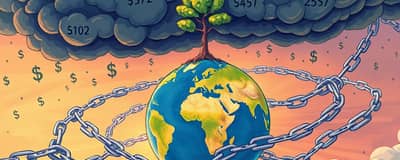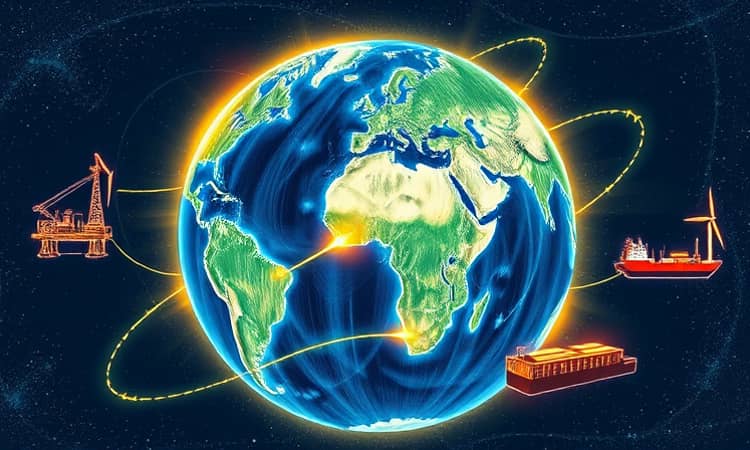
In 2025, energy is the driving force behind diplomatic ties, economic strategies, and security doctrines across the globe. From the shifting sands of the Middle East to the solar farms of China, the struggle to control and diversify energy sources shapes the fortunes of nations and corporations alike.
Why Geopolitics Remains This Dominant
Energy resources have long determined the trajectory of wars, alliances, and trade partnerships.
Throughout history, control over oil, gas, and coal has allowed empires and states to exert influence far beyond their borders. Today, technological advances and environmental concerns have added complexity, but the fundamental calculus has not changed. Energy remains central to global power, influencing decisions from Washington to Warsaw.
2025 Trends Shaping Energy Markets
The current landscape is defined by both volatility and innovation. Oil markets fluctuate due to ongoing conflicts and shifting production quotas. Meanwhile, natural gas and renewables vie for market share in a crowded and competitive field.
- Volatile oil prices driven by Middle East crises and Russo-Ukrainian tensions.
- Tight LNG markets and surging demand in Asia and Europe after Russia’s market pivot.
- Simultaneous growth in fossil fuels and renewables with no clear transition path.
- Complex dynamics between Global North diversification strategies and Global South energy priorities.
Strategic Actors and Their Moves
A handful of state and non-state actors dominate global energy politics, each leveraging resources to pursue national objectives.
United States pursues energy independence through domestic production policy, utilizing strategic petroleum reserves to absorb price shocks and investing heavily in renewable incentives.
Russia maintains influence through discounted oil and gas exports to Asia, deftly weaponizing supplies to pressure Europe while forging alternative partnerships with China and India.
China leads global solar and nuclear expansion, secures critical mineral supply chains, and employs state-driven financing to position domestic suppliers at the forefront of international projects.
European Union member states accelerate renewables deployment, diversify import pipelines, and negotiate joint procurement agreements to diminish reliance on Russian gas.
OPEC+ adjusts production quotas strategically to manage global oil prices, balancing revenue needs of oil-dependent economies against market share considerations.
Economic, Security, and Supply Chain Implications
Energy security has been recast as a core component of national defense. The reliability of electricity and fuel supplies now underpins everything from critical manufacturing to data center operations powering artificial intelligence.
Energy security now seen as national security underscores the need for diversified supply routes and resilient infrastructure. Pipeline sabotage, cyberattacks on grid systems, and maritime chokepoint vulnerabilities all pose tangible threats to uninterrupted flows.
Technological Disruptions and the Energy Transition
The transition away from fossil fuels is unfolding unevenly across regions, creating new battlegrounds in resource competition. Renewables bring promise but also require rare earths and critical minerals, intensifying geopolitical friction.
Disorderly energy transition marking fierce competition highlights the scramble for lithium, cobalt, and rare-earth metals needed for batteries and wind turbines. Meanwhile, carbon capture innovations and next-generation nuclear technologies introduce alternative pathways and influence investment decisions.
Regional Dynamics and Quantitative Outlook
Regional disparities accentuate the complexity of global energy governance. In Asia, rapid industrialization and urbanization drive up demand for both coal and renewables. Europe races to replace Russian gas, while North America leverages its shale revolution.
Key statistics for 2025 include a projected LNG supply growth of nearly 6%, solar capacity growth led by China at over 60% of global additions, and US solar installations set to quadruple by 2030. Indonesia’s geothermal output is slated to rise by a 5%+ CAGR through mid-century.
Risks, Vulnerabilities, and Policy Challenges
- Tariffs and regulatory fragmentation stymie cross-border renewable investment.
- Inflation and high interest rates threaten financing for both fossil and clean energy projects.
- Critical minerals race heating up globally as nations secure supply chains through trade agreements and domestic mining initiatives.
Future Scenarios and Strategic Recommendations
Looking ahead, rising power demand driven by transportation electrification and data center growth will reshape consumption patterns and infrastructure needs. States must prepare for a multi-path transition where oil, gas, nuclear, and renewables coexist.
Policymakers and industry leaders can adopt four strategic pillars to navigate uncertainty:
- Diversify energy portfolios across sources and suppliers to mitigate supply shocks.
- Invest in critical mineral processing and recycling to reduce dependency.
- Strengthen international collaboration on grid interconnections and technology standards.
- Enhance R&D in carbon capture, advanced nuclear, and storage to unlock new capacities.
By embracing a holistic approach that balances economic growth, environmental objectives, and geopolitical stability, nations can transform the energy landscape from a zero-sum competition into a platform for collaborative innovation and shared prosperity.
The complex interplay of politics, markets, and technology ensures that the geopolitics of energy will continue to drive economic power plays for decades to come. Understanding these dynamics is essential for stakeholders seeking to shape fair, secure, and sustainable energy futures.