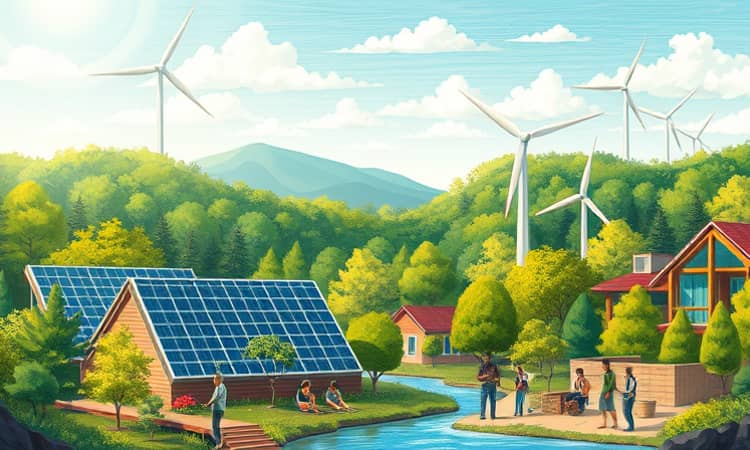
As global pressures mount to address climate change, economic inequality, and resource depletion, the notion of a green economy has shifted from aspiration to necessity. Investors, policymakers, and communities alike are recognizing that steering capital toward sustainable ventures not only safeguards the planet but also unlocks unprecedented growth and innovation.
Foundations of a Low-Carbon Transition
A green economy is defined by UNEP as one that improves human well-being and social equity while significantly reducing environmental risks. At its core lies a low-carbon, resource-efficient economic model that prioritizes renewable energy, sustainable infrastructure, and eco-friendly innovations.
Policy frameworks around the world have evolved to support this transition. Carbon pricing mechanisms, subsidies for clean technology, green bonds, and pollution taxes have become common tools to incentivize businesses and consumers to reduce emissions and conserve resources.
Global Market Landscape
Recent data underscores the scale of opportunity. As of Q1 2025, the global green economy is valued at $7.9 trillion, accounting for 8.6% of listed equity markets. Green bonds alone boast $2.9 trillion in outstanding debt, serving as a major financing tool for green transitions.
Despite occasional short-term volatility, green equities have delivered a five-year annualized rolling return of +5.6% since 2020, outperforming broader markets by 59% since 2008. These figures highlight that investing in sustainable enterprises can yield both financial returns and environmental benefits.
Key Sectors and Investment Instruments
Beyond traditional sectors, innovative instruments such as impact investing, sustainability-linked loans, and carbon credit markets are gaining traction. The rise of thematic funds and climate-focused ETFs further demonstrates that green finance is no longer a niche—it's emerging as a mainstream asset class.
Drivers of Growth and Policy Catalysts
Several factors underpin the rapid expansion of the green economy:
- Climate policies and net-zero commitments by governments and corporations
- Technological breakthroughs in renewable generation, battery storage, and clean hydrogen
- Investor and consumer pressure for transparent ESG disclosures
- Trade liberalization that encourages global diffusion of clean technologies
- urgent capital mobilization needs to meet ambitious climate targets
In Europe, the European Green Deal demands an annual investment of EUR 520 billion between 2021 and 2030. China aims to peak greenhouse gas emissions by 2025, driving massive deployment of solar and wind capacity despite its coal legacy. Emerging markets are tapping sovereign green bonds to fund resilient infrastructure and adaptation projects.
Risks, Challenges, and Solutions
Every opportunity carries its own set of challenges. Green assets can experience short-term volatility as policy signals and commodity prices fluctuate. Defining what qualifies as "green" remains complex, with varying taxonomies across jurisdictions impacting investor confidence.
- Measurement and standardization of sustainable activities
- Equitable allocation of funds between mitigation and adaptation
- Integration of SMEs into green supply chains
Addressing these issues requires robust frameworks, public-private collaboration, and the deployment of digital tools. Blockchain-based verification systems and AI-driven sustainability assessments can enhance transparency and align stakeholders around shared goals.
Benefits and Forward-Looking Themes
The dividends from green investments extend far beyond financial returns. By redirecting capital into sustainable projects, societies can achieve significant job creation across sectors and foster long-term resilience and sustainable growth.
Key benefits include:
- Economic inclusion through new employment opportunities in clean energy and circular industries
- Reduction of environmental risks such as air pollution and biodiversity loss
- Enhanced adaptive capacity in the face of climate impacts
As investors assess their portfolios, those who embrace green themes today position themselves for tomorrow’s markets. First-movers in areas like green hydrogen, advanced battery storage, and circular manufacturing stand to gain outsized returns as consumer and regulatory pressures intensify.
Putting It into Practice
For investors seeking to engage with the green economy, practical steps include:
- Assessing exposures to traditional carbon-intensive sectors and identifying green replacement opportunities
- Allocating a portion of fixed-income portfolios to high-quality green bonds
- Incorporating ESG criteria into equity selection, focusing on companies with clear sustainability roadmaps
- Exploring thematic funds or direct deals in renewables, cleantech, and circular solutions
By combining rigorous analysis with a commitment to environmental and social outcomes, investors can drive both profit and positive impact.
Ultimately, the green economy represents an era-defining opportunity. Mobilizing capital at the scale required demands bold leadership, cross-sector partnerships, and relentless innovation. Those who rise to this challenge will not only help safeguard the planet but also cultivate enduring value for stakeholders worldwide.