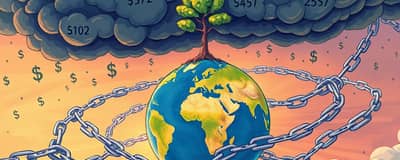
Over the past several years, the COVID-19 crisis left an indelible mark on nearly every corner of the global economy. From shuttered storefronts to strained factories, the virus revealed both vulnerabilities and opportunities across sectors. As industries pivot, adapt, and rebuild, leaders and workers alike face new challenges and avenues for innovation.
Economic Upheaval and Sector-Wide Shock
The initial lockdowns triggered the largest global recession since WWII, with GDP plunging in major economies. In the United States, roughly 30% of the early decline stemmed from foreign supply-chain disruptions, while 70% originated domestically. Unemployment soared as service sectors, retail outlets, and manufacturing plants halted operations.
Travel and tourism saw international arrivals drop by over 70% in 2020, sending airlines, hotels, and local businesses into crisis. At the same time, life sciences companies reported a 71% surge in demand for pandemic-related products, launching tests, vaccines, and protective equipment at unprecedented speed. Industrial and automotive firms—97% and 100% of surveyed companies, respectively—reported negative impacts that reverberated through production lines worldwide.
Supply Chain Disruption and Strategic Shifts
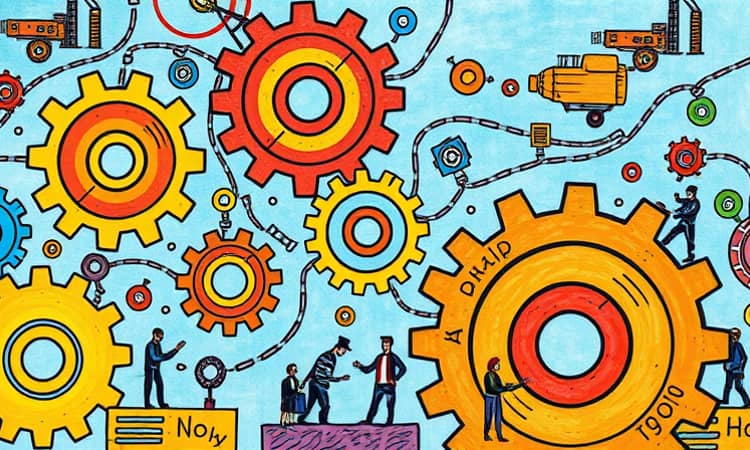
Global lockdowns, port closures, and repeated lockdown waves created unprecedented supply chain shocks. Shipping delays, order backlogs, and bottlenecks peaked in late 2021. Economists estimate that a quarter of post-2020 inflation pressures arose from these strategic interruptions.
In response, companies have pursued a range of resilience strategies:
- Multi-sourcing inputs to reduce single points of failure
- “Friend-shoring” to politically stable or allied nations
- Increased digitalization for real-time visibility and analytics
These changes come at a cost: higher inventory expenses, additional logistics spend, and investment in automation platforms. Yet the trade-off between efficiency and resilience has become the central corporate dilemma of our era.
Sector-Specific Transformations
Some industries contracted sharply while others accelerated growth. Below is a snapshot of key trends:
Automotive companies pivoted toward electrification and regional sourcing, while life sciences firms adopted agile development models to respond swiftly to new variants and health demands.
Geopolitical Realignments and Supply Chains
Despite rising tensions, China maintained its role as a production powerhouse in electronics, solar panels, and apparel. Its share of global manufacturing even increased in certain sectors. Yet governments are investing billions in reshoring and near-shoring to reduce strategic dependencies.
Regional trade agreements have gained traction, and alliances like the US–Mexico–Canada partnership have strengthened. This rewiring of globalization balances the efficiencies of integrated networks against the risks of geographic concentration.
Inflation, Investment, and Labor Dynamics
Persistent shocks to supply and demand drove inflation rates to multi-decade highs. Central banks and corporations alike grapple with rising input costs, while 92% of companies report increased technology spending to streamline operations.
- Remote work adoption and automation acceleration
- Skill mismatches and “brain drain” intensify
- Health and safety norms reshape workplaces
Labor markets now value digital fluency and adaptability. Firms investing in upskilling initiatives aim to bridge gaps, while robotics and AI tools handle repetitive tasks, altering traditional career pathways.
Low-Income Countries and Global Inequality
Non-diversified exporters suffered the deepest setbacks as global demand collapsed. Many faced weakened social safety nets and ballooning debt burdens. The pandemic exposed structural weaknesses that threaten long-term development.
Efforts to build resilience—such as regional manufacturing hubs or diversified export portfolios—remain critical. International organizations emphasize capacity-building, debt relief, and targeted investment to foster equitable recovery.
Outlook and Pathways to Resilience
Analysts forecast persistent global economic uncertainty through 2025, driven by climate risks, geopolitical friction, and potential new health crises. Chief economists rank the current outlook as “very high” on the uncertainty scale.
- Invest in strategic stockpiles and local capacity
- Balance cost efficiency with resilience planning
- Leverage digital transformation for transparency
Companies that embrace adaptability—diverse supplier networks, agile technology platforms, and robust workforce training—will lead the next wave of growth. Policymakers must also align incentives to support this shift, from tax credits for reshoring to grants for strategic research.
In the end, the pandemic underscored the balancing act between efficiency and resilience. As industries reshape, embracing change with foresight and compassion offers a path to durable prosperity and shared progress.