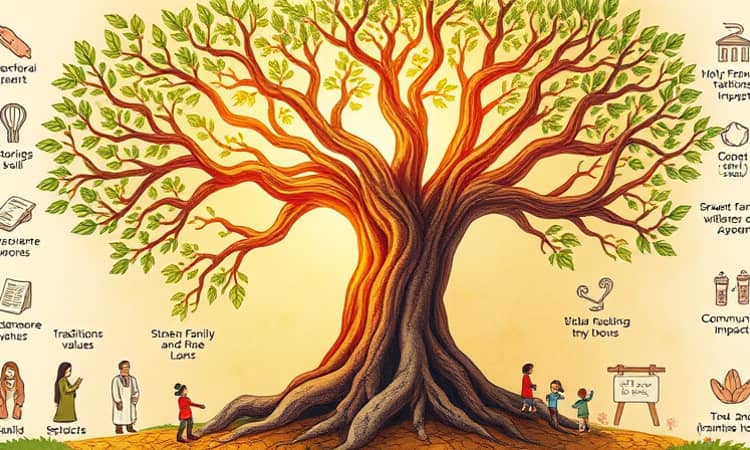
When we think of legacy, the first image that comes to mind is often bank statements or real estate holdings. Yet, the true essence of legacy reaches far beyond material assets. It lives in the lessons we teach, the traditions we uphold, and the positive change we inspire.
By shifting our focus from dollars to deeds, we empower future generations to carry forward a rich tapestry of meaning, identity, and purpose.
What Is a Legacy Beyond Money?
A legacy is not confined to financial inheritance. It embodies every dimension of our lives that endures after we are gone. Legacy includes personal values and beliefs, heartfelt stories, and shared family rituals that bind relatives across time.
For instance, a grandmother’s recipe for holiday pie represents more than flavor—it conveys love, patience, and resilience, serving as a daily reminder of her life lessons. Equally, preserving letters, photos, or career advice builds a bridge between past and future, connecting identity and aspiration.
Why Focus Beyond Financial Wealth?
Purely financial planning often overlooks the human elements that sustain family unity and character. Studies reveal that 90% of family wealth is lost by the third generation, usually due to inadequate communication, conflicting priorities, and a lack of guiding principles.
On the other hand, non-financial legacy shapes how heirs make decisions, fostering enduring familial traditions and unity. When children understand the stories and sacrifices behind their inheritance, they value it more deeply and steward it wisely.
Key Components to a Legacy Beyond Wealth
Tools and Strategies for Building a Holistic Legacy
- Create ethical wills or legacy letters that articulate your beliefs, priorities, and hopes for descendants.
- Draft a family constitution outlining shared principles, governance practices, and conflict resolution approaches.
- Use storytelling and archivism—record interviews, compile diaries, or produce a multimedia family history archive.
- Hold annual gatherings or retreats to share updates, celebrate milestones, and reinforce collective vision.
Philanthropic and Social Impact
Legacy extends into the community when families engage in charitable endeavors. Whether through scholarships that enable education or foundations that address critical needs, philanthropy becomes a living testament to values in action.
By channeling resources into causes you care about, you model a lifelong commitment to service. This inspires heirs to develop their own sense of responsibility and civic engagement.
Living Legacy: Making an Impact Now
Legacy planning shouldn’t wait until estate documents are signed. You can start enriching lives today by offering mentorship, sharing expertise, or providing encouragement during pivotal moments.
Regularly scheduled family meetings encourage transparency and collective problem-solving. Intergenerational communication and unity flourish when stories, questions, and concerns flow freely across age groups.
Essential Questions for Shaping Your Legacy
- What qualities and principles do you most want to be remembered for?
- Which traditions, skills, and stories deserve preservation?
- How will you document and transmit your values to the next generation?
- What philanthropic or community causes resonate with your family’s mission?
How to Begin Defining Your Legacy
Embarking on a legacy-building journey can feel overwhelming, but simple steps can set you on a meaningful path:
1. Reflect on defining moments in your life—challenges overcome, achievements earned, and lessons learned. Write them down in a journal or letter to heirs.
2. Gather family members for an open dialogue about shared values and aspirations. Encourage each person to contribute ideas for traditions or projects.
3. Select one tangible project—such as creating a memory book, planting a family tree, or establishing a small scholarship—and pursue it collaboratively.
4. Document your intentions in a living legacy plan that combines legal directives with personal reflections, stories, and guidelines.
5. Schedule annual check-ins to review, update, and celebrate progress on your legacy initiatives, ensuring momentum and continuity.
Conclusion: Crafting Your Everlasting Impact
Your legacy is far more than an inheritance of assets. It is the living deposit of your values, stories, and contributions that shape family identity and community well-being. By intentionally cultivating societal contributions beyond money and equipping future generations with wisdom, you create a lasting tapestry of purpose.
Begin today by asking the essential questions, documenting your reflections, and engaging loved ones in conversation. In doing so, you ensure that your true legacy lives on—not just in bank accounts, but in hearts, minds, and actions for generations to come.